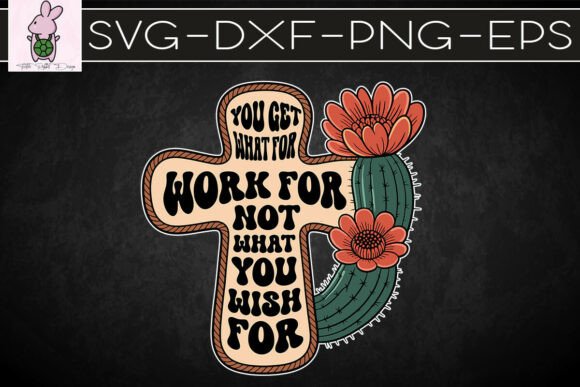
You Get What You Work for Western SVG
As someone who has tested hundreds of machine embroidery designs over the years, I have learned that a strong embroidery file does more than look good on a screen. It needs to translate cleanly into thread, hold up on real fabric, and feel right for the finished product. When I first opened You Get What You Work for Western SVG, I was immediately struck by its honest, grounded personality. This is not a fussy or overly decorative design. It makes a clear statement, and that statement is about effort, reward, and authenticity. That kind of energy is rare in digital embroidery files, and it caught my attention right away.
First Impression: A Design That Means Business
The layout of You Get What You Work for Western SVG feels intentional and well proportioned. The typography carries a rugged western mood without tipping into cartoon or cliché. It is bold enough to stand out on a product shelf but subtle enough to feel tasteful on a handmade piece. The balance between lettering and negative space gives it a confident presence. I appreciate that the detail level sits in a practical middle ground. It is not so intricate that you need a magnifying glass to see it, and it is not so simple that it looks generic. This makes the design versatile for a wide range of embroidery projects, from custom apparel to home decor. It also gives me confidence that it will digitize cleanly and hold its shape after repeated washing.
Real Project Test: Custom Tote Bag Embroidery
I decided to test You Get What You Work for Western SVG on a sturdy canvas tote bag, one of my best-selling Etsy products. I hooped the canvas with a medium-weight cutaway stabilizer and used a 5x7 hoop. The design digitized smoothly with clean satin stitches on the lettering and a fill stitch that added depth without feeling dense or heavy. I chose a deep rust orange and a dark brown for thread colors, which gave the design a warm western feel that matched its personality. After stitching, the design looked crisp and professional. The letters were legible even from a few feet away, and the overall composition sat naturally on the bag front. I could see this same design working beautifully on a sweatshirt, an apron, or a set of embroidered kitchen towels. It is the kind of design that makes a product feel intentional, not slapped together.
Where This Design Performs Best in Real Use
Based on my testing and experience, You Get What You Work for Western SVG fits naturally into several product categories. Custom apparel like sweatshirts and t-shirts are a strong match, especially for customers who respond to authentic, hardworking messages. It works well as a front center design on a sweatshirt or as a bold back graphic on a t-shirt. Tote bags and aprons are also excellent choices, particularly for craft fair merchandise or small shop branding. The western rugged aesthetic pairs well with natural fabrics like canvas, linen, and cotton. Embroidered patches are another smart use case. The design's clean edges and moderate detail make it easy to sew onto jackets, caps, or bags as a standalone patch or part of a layered arrangement. For personalized gifts, this design works on pillow covers, tea towels, and even baby blankets. The message is universal enough to fit a wide audience, from new parents to retirement gifts.
As a digital product for creative entrepreneurs and Etsy sellers, You Get What You Work for Western SVG also functions as a strong design asset. The included PNG files with clear backgrounds make it easy to create printable mockups, listing photos, and promotional materials. The DXF and SVG formats ensure compatibility with most design software, which is helpful for those who want to adjust the layout or combine it with other elements. In the context of Crafts and Graphics, this design delivers practical value for both physical embroidery projects and digital product previews.
Caution Zones: Where to Think Twice Before Stitching
No machine embroidery design works perfectly in every situation, and You Get What You Work for Western SVG has a few limitations worth noting. Small hoop sizes can be challenging. If you are working with a 4x4 hoop, the lettering may feel cramped, especially if the design includes multiple lines of text. Test it first to make sure the details remain legible at a smaller scale. Stretchy or lightweight fabrics like jersey knit or thin cotton may require extra stabilization. The design has a moderate stitch density, so using a tear-away or cutaway stabilizer is essential to prevent puckering or distortion. On curved surfaces like caps or fitted hats, the straight layout may need adjustment. You may need to digitize it with a slight curve to match the cap shape or reposition it to a flat front panel.
Dark fabrics can affect visibility if the thread colors do not contrast well. I recommend testing the design on a light-colored scrap first to check the balance of fill stitches and satin stitches. For products that need frequent washing, such as kitchen towels or baby items, use high-quality thread and a proper stabilizer to extend the life of the embroidery. Overly dense designs can wear faster, so pay attention to stitch density during your test run. These are small considerations, but they matter when you are building a reputation for quality as a small business owner or handmade shop operator.
How the Design Builds Product Value and Buyer Trust
One of the strongest assets of You Get What You Work for Western SVG is how it elevates the perceived value of a finished product. When I stitched it on the tote bag, the final result looked like a premium item that could command a higher price. The design communicates effort, authenticity, and a clear point of view. For small business owners and Etsy sellers, that translates into customer trust. Buyers are more likely to believe in the quality of a product when the design feels intentional and well executed. This design also supports brand consistency for shops that focus on rustic, farmhouse, or outdoor-inspired product lines. The western theme pairs naturally with handmade goods that emphasize craftsmanship and honesty.
Giftability is another strong point. The message is positive and universal, making it suitable for a wide range of recipients. Whether it is a personalized gift for a friend or a custom order for a customer, the design feels thoughtful and not generic. It also works well for boutique branding, where the design aligns with the company's values. In a crowded marketplace, a design that feels real and grounded can make the difference between a product that sells and one that sits on the shelf.
Practical Designer Notes Before You Stitch
Before you commit You Get What You Work for Western SVG to your final product, here are the practical steps I always recommend. Test the design on scrap fabric first. This is nonnegotiable. You will see how the stitches behave, whether the tension is correct, and whether the design fits your chosen hoop size. Check thread color contrast. The design works best when the thread colors stand out against the fabric. For dark fabrics, consider using bright or metallic thread to make the design pop. Review stitch density. If the design feels too dense for your fabric, adjust the digitizing or choose a different stabilizer. Overly dense embroidery can cause fabric puckering on lightweight materials.
Confirm hoop size before cutting fabric. The design is described as cup sized and design software friendly, but always measure the design dimensions against your hoop capacity. Inspect small details. If the design contains thin lettering or fine elements, ensure they are wide enough to stitch cleanly without breaking or distorting. Test in black and white first. This is a trick I use to see if a design relies too heavily on color contrast. A strong design should hold up even in two tones, and this one does. Consider fabric texture. Rough or textured fabrics like linen can absorb thread details, so test first to ensure the design remains crisp. Finally, check licensing before using the design for commercial embroidery projects or selling finished items. Since it falls under Crafts and Graphics, confirm the terms for your specific use case, especially if you plan to sell digital products or finished handmade goods.
Final Thoughts on This Western Design
After spending real project time with You Get What You Work for Western SVG, I can say it is a well-crafted embroidery file that delivers on its promise. It has a strong visual identity, practical versatility, and the kind of authentic feel that customers respond to. It works across a range of products, from custom apparel to personalized gifts, and it helps build product value and buyer trust in a competitive handmade market. If you are a small business owner, Etsy seller, or creative entrepreneur looking for a design that communicates effort and reward, this is a solid choice. Just test it on your specific fabric and hoop setup first, and you will be rewarded with a finished product that looks professional, meaningful, and ready for the real world. This design is a reminder that you really do get what you work for, and with the right preparation, the results speak for themselves.