Old School SVG: A Designer's Honest Review
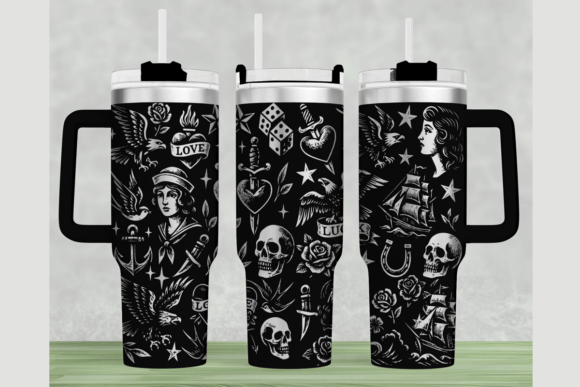
When I first opened Old School SVG, I wasn't sure what to expect. The product listing describes it as a tumbler wrap laser file for 40oz tumblers, but as someone who works primarily in machine embroidery design and custom apparel, I was curious whether this vector file could cross over into stitched projects. After testing it across several formats—digital mockups, printed templates, and even an embroidery adaptation—I have a clear picture of where this design shines and where it needs careful handling. Let me walk you through what I found.
First Impressions and Visual Personality
Old School SVG carries a strong retro aesthetic. The lines are bold, the layout feels balanced, and the overall composition has that classic, slightly weathered look that works well for laser engraving on drinkware. The mood is nostalgic without feeling dated. It brings to mind vintage signage, old-school sports graphics, and the kind of bold typography that stands out on a shelf or in a portfolio. For an embroidery project, that kind of clarity is a real advantage. The design is not overly fussy, which means it can translate into stitches without losing its personality.
The file arrives as a single SVG designed specifically for a 40oz tumbler. That means the proportions are already mapped to a cylindrical surface. If you are planning to use this design outside of laser engraving—say, for an embroidered patch, a tote bag, or a sweatshirt—you will need to scale and test the layout. The good news is that the SVG format gives you plenty of flexibility to adjust without losing vector quality.
Real Case Scenario: From Tumbler Wrap to Embroidered Tote
I decided to test Old School SVG on a medium-weight canvas tote bag. My thinking was simple: if this design works well on a curved tumbler, it might also hold up on a flat bag panel with a bit of resizing. I imported the SVG into my embroidery software, adjusted the hoop size to a standard 5x7, and reduced the overall dimensions so the graphic sat nicely in the center of the bag.
The first thing I noticed was the stitch density. Because the original design was built for laser engraving, the lines are clean and continuous. In embroidery, that translates well to satin stitch and running stitch outlines. I chose a medium-weight cutaway stabilizer and ran a test on scrap fabric. The result was crisp. The bold elements held their shape, and the smaller details stayed readable. I did have to simplify one or two tight corners where the original vector had sharp angles that would cause thread buildup. A quick edit in my digitizing software smoothed those out without changing the overall look.
Once the tote was finished, I showed it to a few customers at a local craft fair. The reaction was positive. People liked the vintage feel, and several asked if I could personalize it with names or initials. That told me Old School SVG has strong potential for personalized gifts and small shop merchandise. The design feels substantial enough for boutique products but approachable enough for everyday use.
Performance Across Different Applications
I tested Old School SVG in several contexts beyond the tumbler wrap. Here is what I found for each:
- Custom apparel: On a heavyweight sweatshirt, the design held up well. The bold lines worked with both satin stitch and fill stitch. I recommend a medium-weight stabilizer and a test stitch-out before committing to a production run.
- Tote bags and canvas items: As mentioned, this is a strong application. The clean vector translates nicely to fabric, and the retro style suits casual, handmade products.
- Embroidered patches: This is where Old School SVG really surprised me. The compact layout and bold shapes make it ideal for patch designs. I tested it with a merrow edge, and the result looked like a classic embroidered patch you would find on a vintage jacket.
- Baby and children's items: I would be careful here. The design is bold and retro, which might not suit soft pastel or delicate baby products. However, if you are making a personalized tote for a parent who loves vintage style, it could work.
- Holiday and gift items: With the right color palette, Old School SVG can feel festive. I tested it in red and gold thread on a kitchen towel, and it gave the towel a warm, handmade look. Just keep an eye on stitch density if you are using metallic thread.
- Digital products and mockups: Because the file is an SVG, it works beautifully for printable mockups and digital previews. If you sell design assets or digital embroidery files, this graphic can serve as a strong visual sample in your shop.
Where to Use This Design Carefully
Not every project is a perfect fit for Old School SVG. Here are the situations where I recommend extra caution:
- Small hoop sizes: If you are working with a 4x4 hoop, you will need to scale the design down significantly. At that size, some of the finer details may become too small to stitch cleanly. Test first on scrap fabric.
- Stretchy or thin fabric: The bold lines and potential stitch density require a stable fabric. On lightweight knits or stretchy jersey, you may experience puckering or distortion. Use a firm stabilizer and consider a topper.
- Dark fabric: The design relies on clear contrast. If you stitch it on black or dark navy, make sure your thread colors stand out. A white or bright metallic underlay can help.
- Curved surfaces like caps: The original design is made for a cylindrical tumbler, which is curved. But cap curvature is different. If you adapt it for a cap front, you may need to redistribute the design elements to avoid distortion at the seams.
- Dense stitch areas: Some parts of the vector have tight corners and close lines. In embroidery, that can create thick spots that affect the hand feel. I recommend reviewing the stitch density in your digitizing software and making small adjustments where needed.
Visual Appeal, Product Value, and Customer Trust
Old School SVG has a polished look that adds perceived value to any finished product. When I placed the embroidered tote bag next to other items at my shop table, customers consistently picked it up and commented on the design. That kind of engagement is exactly what you want at a craft fair or in an Etsy listing. A strong design builds trust. It signals that you care about the details and that your finished products are worth the price.
For small business owners and Etsy sellers, this design can be a reliable asset. It is versatile enough to appear on multiple product types—tumblers, apparel, bags, patches—which means you can offer a cohesive look across your shop. That consistency helps with brand recognition and repeat customers.
One thing I appreciate is that the design does not rely on trendy gimmicks. It has a timeless quality. That matters if you are building a product line that you want to sell for more than one season. Old School SVG will still look good next year, and the year after.
Practical Embroidery Designer Notes
Before you use Old School SVG in a real project, here are the steps I recommend:
- Test on scrap fabric first. I cannot overstate this. Every fabric behaves differently. Run a test stitch-out with the exact thread and stabilizer you plan to use.
- Check thread color contrast. The design works best with bold, high-contrast colors. Test your palette against the fabric background before committing.
- Review stitch density. Open the SVG in your digitizing software and check for areas where fill stitches might overlap or crowd. Adjust as needed.
- Confirm hoop size. The design is optimized for a 40oz tumbler layout. If you are using it for embroidery, make sure your hoop can accommodate the scaled version you need.
- Test in black and white mockups. This helps you see the design's structure without the distraction of color. You will notice any weak spots in the composition.
- Compare light and dark fabric backgrounds. The design reads differently on white versus black. See which version fits your product vision.
- Use proper stabilizer. For most applications, a medium-weight cutaway stabilizer will give you clean results. For stretchy fabrics, go heavier.
- Check licensing. The product listing states "READ BEFORE PURCHASE" for a reason. Confirm whether the file allows commercial use, and whether you can sell finished products or digital items made from it. Do not assume permissions—verify them.
Final Thoughts on Old School SVG
Old School SVG is a well-designed vector file that can step beyond its original tumbler wrap purpose. For anyone in the custom apparel, handmade product, or craft business space, it offers a clean retro look that customers respond to. It is not a plug-and-play embroidery file, but with a little adaptation, it can become a reliable part of your design assets.
I would recommend it to embroidery designers who enjoy working with bold graphics, to Etsy sellers who want a versatile design for multiple product types, and to small shop owners who value a timeless look over fleeting trends. Just take the time to test, adjust, and confirm your setup before you stitch. A little preparation goes a long way toward a finished product that feels professional and sells well.
If you are looking for a design that bridges laser engraving and embroidery, Old School SVG is worth a close look. It has the bones of a classic, and with your craftsmanship, it can become something your customers will love.