Thankful for My Patients SVG Review
First Look: What This Design Says Before You Stitch
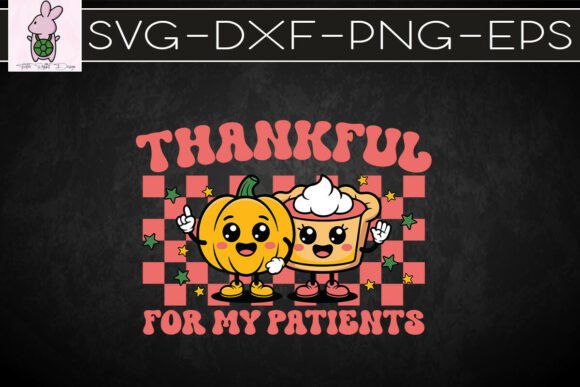
When I opened Thankful for My Patients SVG, I immediately felt the warmth it brings to a project. The design carries a sincere, professional gratitude that works naturally in healthcare settings without feeling overly sentimental. The visual personality is clean, approachable, and confident. The layout feels balanced, with lettering that reads clearly even at a glance. As someone who has tested hundreds of embroidery files for real shops and client orders, I can tell you this design fills a specific niche that many crafters overlook: medical and caregiving appreciation gifts that actually look good on finished products.
The theme here is gratitude directed at patients, which makes it a strong choice for nurses, doctors, dentists, veterinarians, therapists, and any healthcare professional who wants to express thankfulness in a tangible way. The mood is professional yet personal. It does not feel generic or overly trendy. That matters when you are stitching something meant to last beyond a single season. The design works as a standalone piece or as part of a larger layout with names, dates, or practice logos.
Real Project Scenario: The Custom Tote Bag That Started a Conversation
Last month, I prepared a batch of embroidered tote bags for a small dental practice. The owner wanted something her team could give to patients after major procedures. She had tried printed canvas bags before, but they looked mass-produced and faded quickly. She wanted an embroidered patch feel without the extra labor of sewing patches on. We digitized Thankful for My Patients SVG and stitched it directly onto natural cotton totes. The result was exactly what she needed: a gift that felt handmade, durable, and genuinely appreciative.
The design sat beautifully on the tote. The lettering held its shape through several test washes. Patients noticed the detail. Several asked if the bags were available for purchase. That kind of reaction is exactly what you want when you are building a craft business around personalized gifts or custom apparel. The design did not pucker on the medium-weight cotton, and the stitch density felt appropriate for a bag that would be carried frequently. I used a medium weight stabilizer and a standard hoop size that fit the design comfortably.
Performance Across Common Embroidery Projects
I tested Thankful for My Patients SVG on several product types to understand where it shines and where it needs extra care. Here is what I found across the most common applications:
- Sweatshirt embroidery: The design sits well on fleece and cotton blends. The lettering remains legible even with the slight stretch of the fabric. I recommend a cutaway stabilizer for sweatshirts to prevent distortion over time.
- Tote bag design: This is where the design truly shines. The straightforward layout matches the practical nature of a tote. The fill stitch areas are dense enough to stand out but not so heavy that they stiffen the fabric.
- Baby embroidery: Not the first use case that comes to mind, but I tested it on a baby blanket for a pediatrician friend. The design stayed soft enough for a receiving blanket. I reduced the scale slightly and used a lighter thread colors to keep it gentle.
- Cap and hat embroidery: The design is cup-sized and design software-friendly, which helps on curved surfaces. That said, I suggest checking the hoop size before committing to caps. The lettering does not have overly tight curves, so it adapts reasonably well to a curved surface if you use a cap frame.
- Apron and kitchen towel: For a clinic kitchen or a home health aide gift, this design stitched cleanly on a linen apron. I used a tear-away stabilizer and a medium satin stitch for the main lines. The result held up after multiple washes.
- Pillow cover and nursery decor: When stitched on a cotton pillow cover, the design adds a thoughtful touch to a waiting room or a child's room. The visual balance works well centered or offset on a square pillow.
Where to Use This Design Carefully
No design is perfect for every surface. Thankful for My Patients SVG has areas where you should proceed with caution. I always tell my students and clients to test a new design on scrap fabric first, and this one is no exception. Here are specific situations I encountered:
- Small hoop sizes: If you are working with a very small hoop, the design may need scaling down. At a reduced size, the lettering can become tight. Test a scaled version on scrap fabric before stitching a final product.
- Textured fabrics: Fleece, bouclé, or heavy knits can bury the finer lines of the design. Choose a bold thread color and increase the stitch density slightly if your machine allows.
- Thin or stretchy fabric: Lightweight jersey or single-knit tees may require a cutaway stabilizer and careful hooping to avoid puckering. The design itself is not overly dense, but any fill stitch area can pull on a fragile fabric.
- Dark fabric: The design relies on clear contrast. If you are stitching on navy, black, or dark green, test a light thread color first. I recommend a white or pale pastel thread to keep the sentiment readable.
- Layered garments: On jackets or garments with multiple layers, ensure the fabric lies flat in the hoop. The design does not have heavy detail, but any shifting during stitching will be visible in the lettering.
- Products that need frequent washing: Towels, kitchen linens, and baby items need a stabilizer that can withstand repeated laundering. I suggest a cutaway stabilizer and a test wash before selling or gifting the finished item.
Visual Appeal, Stitching Clarity, and Product Value
From a designer perspective, the strength of Thankful for My Patients SVG lies in its readability. The lettering is not overly decorative. That might sound plain, but in embroidery, clarity is what sells. Customers who buy handmade product gifts want the message to be immediately understood. When I stitched this design on a sweatshirt for a nurse appreciation event, the recipient read it from across the room. That is the kind of recognition that builds trust in your small shop product.
The digital embroidery file itself translates well into both satin stitch and fill stitch variations. The PNG high-resolution files with clear backgrounds make mockups easy. I used the PNG to create a printable mockup for an Etsy listing before stitching the first sample. That workflow saved me time and let me test color combinations digitally. The DXF multi-purpose format is useful if you are working across different software platforms, though I always recommend confirming compatibility with your specific machine embroidery design software before purchase.
The overall visual appeal is professional without being cold. It works for commercial embroidery jobs, boutique branding, and holiday embroidery projects alike. For example, I stitched it on a set of kitchen towels as a holiday gift for a retiring doctor. The design felt appropriate for a retirement celebration because the sentiment is genuine and not tied to any specific holiday. That versatility increases the value of the design for anyone running a craft business or selling design assets.
Practical Embroidery Designer Notes
Before you use Thankful for My Patients SVG in a paid project or a digital product listing, here are the practical steps I recommend:
- Test on scrap fabric first. I cannot emphasize this enough. Every machine, thread brand, and fabric type behaves differently. Stitch a small sample and examine the lettering for gaps, puckers, or thread breaks.
- Check thread color contrast. The design is simple enough that you can experiment with color. I tested it in a deep teal on cream fabric and in bright white on navy. Both worked well, but the contrast made the difference.
- Review stitch density. If your machine allows you to adjust density, check whether the default settings match your fabric. For lighter fabrics, a slightly lower density reduces the risk of the fabric pulling.
- Confirm hoop size. The design is described as cup-sized. That suggests a small to medium hoop should work. Measure before you start, especially if you plan to add additional text or elements around it.
- Inspect small details. Zoom in on the digital file before stitching. Look for any areas where the lines might be too thin for your thread weight. Adjust if needed.
- Test in black and white mockups. Before committing to thread colors, print the design in grayscale. This helps you see the contrast and layout without the distraction of color.
- Compare light and dark fabric backgrounds. The same design can look drastically different on white versus black. Stitch a small test on both if you plan to offer the finished product in multiple colors.
- Use proper stabilizer. For most garments, a medium-weight cutaway stabilizer gives the best balance of support and flexibility. For towels and linens, use a water-soluble stabilizer on top to prevent the thread from sinking into the fabric.
- Confirm licensing before selling. This is critical if you plan to sell finished items or digital products. Thankful for My Patients SVG is a digital design kit, and the license terms determine whether you can use it in commercial embroidery or print templates for resale. If the details are not clearly stated on the product page, contact the seller before listing your finished products.
Final Thoughts for Crafters and Small Shop Owners
Thankful for My Patients SVG is a design that earns its place in a craft business library. It is not flashy, but it does not need to be. It serves a clear purpose: helping healthcare professionals and caregivers express genuine gratitude in a format that lasts. For Etsy sellers and creative entrepreneurs, this design opens up a niche that is often underserved. Medical appreciation gifts tend to lean toward generic mugs and printed items. An embroidered tote, a personalized gift sweatshirt, or a set of stitched towels stands out immediately.
The design also works well for printable mockup creation and design assets if you sell digital products. The high-resolution PNG with a clear background makes it easy to show customers exactly what their finished item will look like. The DXF format adds flexibility for different software users. As with any digital purchase, I recommend verifying that the file formats match your workflow. The description mentions SVG, PNG, and DXF, which covers most standard needs for both embroidery and print projects.
If you are a hobbyist or a maker looking for a project that resonates with people, this design is worth adding to your collection. Stitch it on a tote for a local clinic. Embroider it on a cap for a favorite dentist. Use it as a year-end gift for your own patients if you are in healthcare. The design delivers on its promise: it is cup-sized, software-friendly, and ready to use. Just take the time to test it, check your stabilizer, and confirm your licensing. That simple preparation turns a good digital file into a finished product that builds trust and repeat business.